- Apr 30
How I Design a 7-Day Cultural Itinerary (Step-by-Step)
- Arabia Francis
- Travel Planning
- 0 comments
Most people think travel planning starts with logistics.
Flights. Hotels. Activities.
But the truth is... a meaningful trip is designed long before any of that. Because if you start with logistics, you end up with a trip that works. If you start with intention, you end up with a trip that stays with you.
There's an art to crafting a travel experience that feels both seamlessly organized and wonderfully alive. After some time of designing cultural itineraries for women who crave depth, beauty, and meaning in their travels, I've developed a process that turns a blank calendar into an unforgettable journey.
Here's exactly how I do it - step by step, no mystery, no guesswork.
Step 1: Start With You, Not the Destination
Before I even look at a map, I look at you.
Not just where you want to go... but where you are in life.
What I'm actually asking:
What kind of pace do you need right now?
Are you craving energy... or stillness?
Do you want to explore... or reconnect?
Because the same destination can feel completely different depending on the season, you're in. A beautifully designed itinerary has a specific person in mind. Take a Seville, Spain itinerary for example. I may design for a first-time visitor from US and beyond who wants a balanced pace. Curious, cultured, and eager to explore without feeling exhausted.
Knowing your audience shapes the rhythm, the recommendations, and even the level of detail you provide. A solo woman traveler at 55 has very different needs from a group of women celebrating their 30th birthday milestone.
This is where most trips go wrong
People choose destinations based on trends... instead of alignment. "How to Choose the Right Destination for Your Next Chapter"
Step 2: I Define the Experience Before the Itinerary
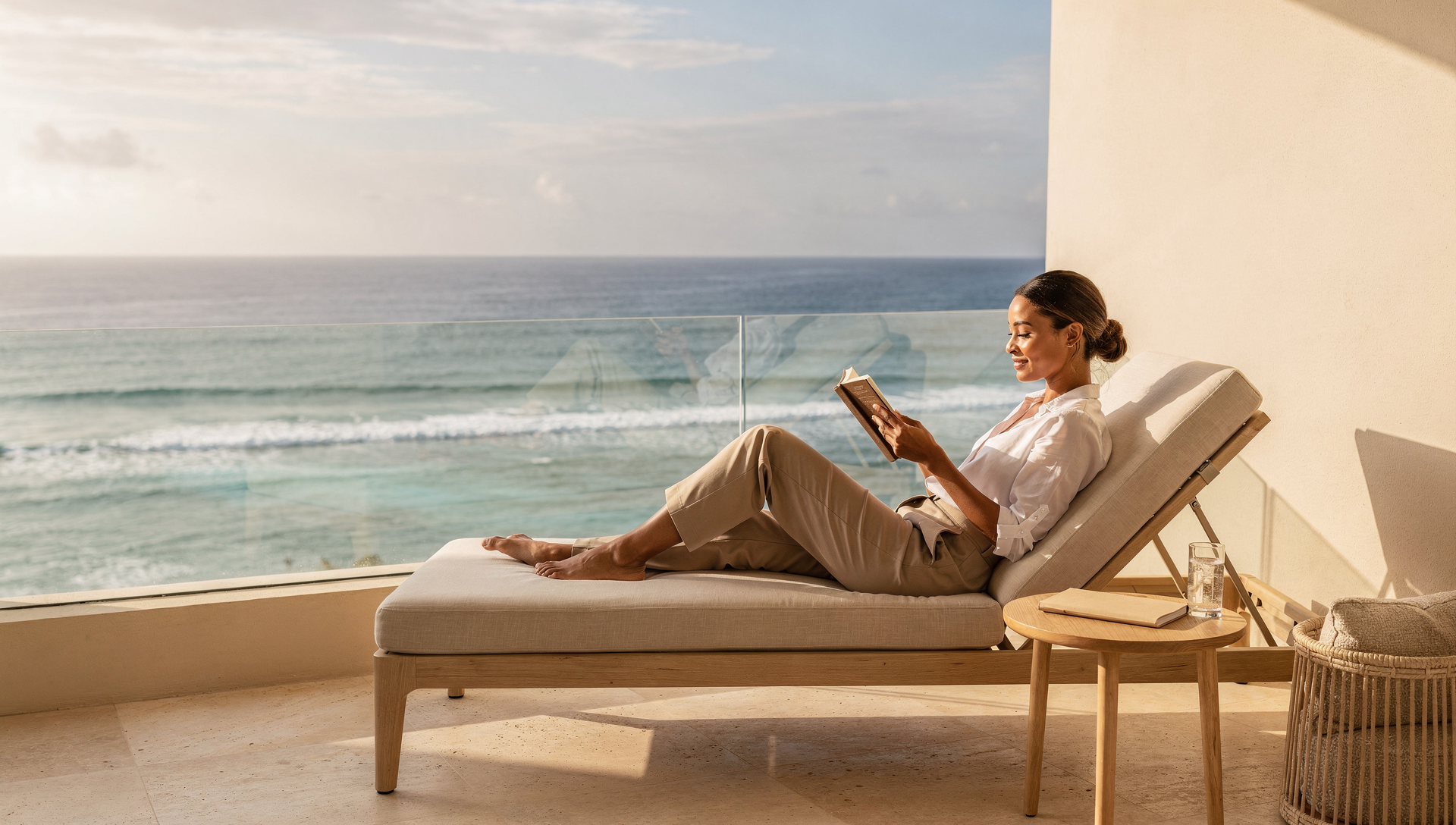
Before I plan a single day, I define how the trip should feel.
Not just what you'll do but how you'll move through the destination.
Not every destination is the right fit for every traveler. I select destinations that are rich in cultural texture, historical depth, and authentic local life. Let's stick with Seville, Spain... it's a city where Moorish architecture stands shoulder-to-shoulder with Gothic grandeur, where flamenco rhythms drift from dimly lit tablaos, and where the evening ritual of tapas-hopping is practically a religion. Seville isn't just a place to visit; it's a place to feel.
I'm building around:
Cultural depth (not surface-level stops)
Local connection (not just observation)
Space to experience (not rush)
This becomes the foundation for everything else. Because a good itinerary isn't a list
It's a flow.
Step 3: I Map the Destination Strategically
Now I zoom out.
I look at the destination as a whole and not just popular areas.
Once the destination is chosen, I define the three to four essential experiences that will anchor the entire trip. For Seville, those pillars are crystal clear: Andalusian culture (the flamenco, the festivals, the art), historic heritage (the Cathedral, the Alcázar, the Roman ruins), and gastronomic delights (the tapas bars, the sherry bodegas, the open-air mercados).
But first I'm asking:
Where will you stay to minimize friction?
What areas match your travel style?
How do we avoid unnecessary movement?
Because moving around too much doesn't make a trip feel full. It makes it feel exhausting.
The goal is simple:
Less chaos. More presence. "Plan Once, Travel Better - A Pre-Trip Planning Guide for International Travelers

Step 4: I Design the Rhythm of the Week
This is where the itinerary actually starts to take shape.
Not by filling days... but by creating a rhythm.
Mapping out the days is not about filling every hour with activities. It's about building a narrative arc that carries the traveler from arrival to departure feeling like they've truly lived inside the culture. I think of each day as a chapter in a story, with its own mood, its own discoveries, and its own emotional payoff.
A 7-day flow might look like:
Day 1: Arrival + grounding
Day 2-3: Exploration + cultural immersion
Day 4: Slower day (rest)
Day 5-6: Deeper experiences
Day 7: Reflection + departure
Every day has intention.
Nothing is random.
Sample Itinerary for Seville, Spain
Arrival & Settling In
First impressions matter enormously. I plan every detail of the arrival experience: from airport transfers to the first view from a hotel window. For Seville, I recommend the EA bus direct to the city center (affordable, scenic, stress-free) and staying in the magical Barrio Santa Cruz at a gem like Hotel Las Casas de la Judería. The goal on Day 1 is simple: arrive gently, orient yourself, and let the city wash over you.
Iconic Landmarks & Hidden Gems
The best itineraries balance the unmissable with the unexpected. Yes, you must see the Seville Cathedral and the Giralda Tower. It's the largest Gothic cathedral in the world and it is not optional. But equally important is wandering the labyrinthine streets of Barrio Santa Cruz with no agenda, discovering orange-tree courtyards, hand-painted tiles, and tiny flamenco shops that only locals seem to know about. Magic lives in both places.
Cultural Immersion Moments
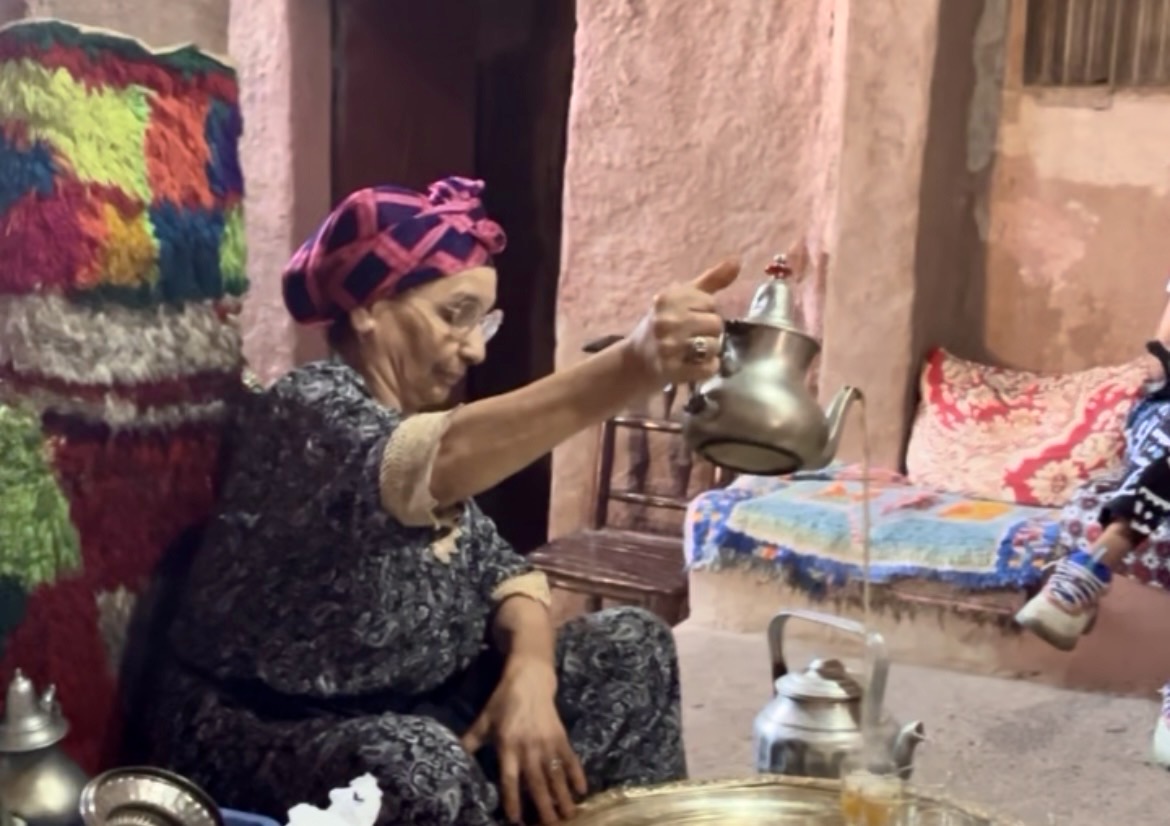
This is the beating heart of every cultural itinerary I design. I carve out space for experiences that go beyond sightseeing and drop you directly into the living culture. In Seville, that means witnessing a passionate flamenco performance in an intimate tablao, spending a slow morning browsing local artisan workshops, and joining a cooking class where a sevillana grandmother teaches you her grandmother's gazpacho recipe. These moments can't be rushed. They need room to breathe.
Culinary Adventures & Day Trips
Food is culture on a plate, and I treat it with the same care as any museum or monument. I plan specific meals and tapas routes. In Seville, a stop at El Rinconcillo (one of the oldest tapas bars in Spain) is non-negotiable. I also build in at least one day trip to Córdoba, just 45 minutes away, to see the breathtaking Mezquita and wander the flower-filled patios. Day trips add dimension to the story and prevent the feeling of being stuck in one place for seven days.
Step 5: I Curate Experiences That Connect You to the Culture
This is the difference between a trip... and a cultural experience.
I prioritize:
Food that tells a story
Experience led by locals
Moments that aren't over-curated
Not everything needs to be scheduled.
Some of the best moments happen when there's space for them. "The Hidden Emotional Benefits of Traveling Through Culture"
Crafting the perfect pace and practicalities
The difference between a good itinerary and a great one often comes down to pacing. I've seen beautifully researched travel plans fall apart because every single hour was scheduled, leaving no room for the unexpected — the spontaneous gelato detour, the shop window that stops you in your tracks, the conversation with a local that changes everything. Here's how I get the balance right...
🌸 The Balanced Itinerary Philosophy
My golden rule: no rushed mornings and no overpacked afternoons. I design each day with a morning anchor (one significant experience or landmark), a leisurely midday break (usually involving food and rest during the Spanish heat), and an evening highlight (a performance, a sunset viewpoint, or a special dinner). This rhythm feels luxurious while still delivering a rich, full experience. You should end each day feeling satisfied and not depleted.
I also deliberately leave one afternoon per week completely unscheduled. That blank space on the itinerary is often where the trip's best memories are made.
This three-phase daily structure is the quiet architecture behind every itinerary I design. It creates natural rhythm, prevents decision fatigue, and ensures that every day has a satisfying shape — even when the details change from city to city.
Step 6: I Layer Logistics Last (Yes, Last)
Flights. Transfers. Reservations.
All of that comes after the experience is designed. Because logistics should support the trip and not define it.
This is where intention protects your time and money.
When the structure is clear:
You don't overbook
You don't waste time
You don't feel scattered
📅 Best Time to Visit
Timing can make or break a trip, and I always advise on optimal travel seasons based on climate, crowds, and local events. For Seville, that means steering travelers toward Spring (March–May), when the orange blossoms are intoxicating and the famous Feria de Abril fills the city with color. Or Autumn (September–November), when the summer heat breaks and the city return to a more intimate, local pace. Summer in Seville is stunning but brutal at 104°F / 40°C; I never recommend it without caveats.
🚌 Transportation & Accommodation
Practicalities matter more than most travel writers admit. I include specific, tested transportation tips. In Seville, the EA airport bus costs a fraction of a taxi and drops you steps from the historic center. For accommodation, I consistently recommend boutique hotels in historic quarters rather than chain hotels on the outskirts. Being within walking distance of the Cathedral, the Alcázar, and the tapas bars is not a luxury, it's a fundamental part of the experience.
Step 7: I Refine Until It Feels Like You
No itinerary is finished on the first draft.
I refine based on:
Your energy
Your preferences
Your feedback
Because this isn't about creating a "perfect" itinerary. It's about creating one that feels like you're supposed to be there.
✨ My Process in Action
As you've seen through the Seville example, I approach every itinerary the same way: with deep research, genuine cultural curiosity, and meticulous attention to pacing and detail. I don't create generic travel plans, I craft immersive cultural experiences that feel tailor-made, because they are. Every recommendation has been considered, tested, and curated with a specific traveler in mind.
Ready to Travel Differently?
If this process resonates with you, if you find yourself nodding along, thinking "yes, this is exactly the kind of travel experience I want", then you already understand why thoughtfully designed itineraries are worth so much more than a list of TripAdvisor highlights. The difference is intention. The difference is craft.
If you're done guessing your way through planning and want a trip designed with intention...
🤝 Let's Collaborate
Whether you're dreaming of a historical deep-dive through ancient cities, a culinary exploration through regional food traditions, a women-only cultural retreat, or a beautifully blended mix of all three — I can help you design an itinerary that perfectly matches your vision, your audience, and your travel style. No two journeys I create are ever the same.
📩 Work With Me
I take on a limited number of custom itinerary projects each season to ensure every client receives the depth of attention they deserve. If you're ready to stop dreaming and start designing your next unforgettable cultural adventure, I'd love to hear from you. Let's create something extraordinary together — a journey you'll talk about for the rest of your life.