- Feb 14
Cultural Immersion vs Group Tours: What's The Difference?
- Arabia Francis
- Cultural Immersion Travel
- 0 comments
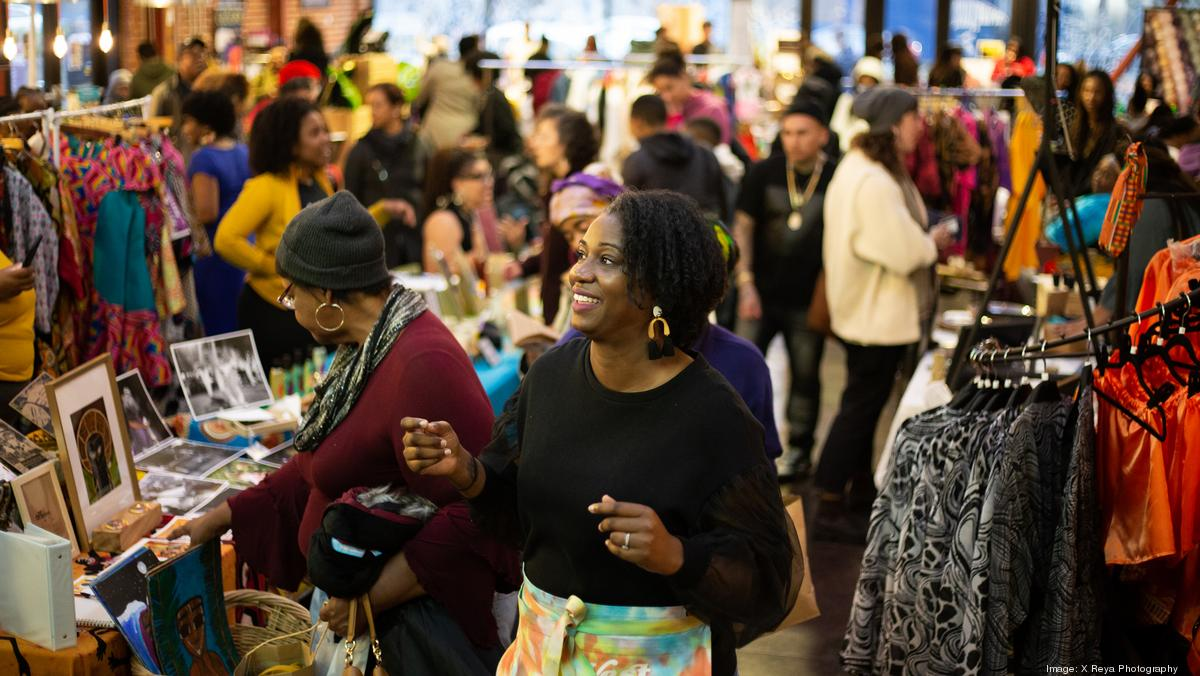
Not all group travel is the same.
Some trips are built for efficiency and sightseeing.
Others are designed for connection and depth.
Most travelers face this choice: a fast-paced, checklist-style group tour or a slower, richer dive into local life. If you have ever felt torn between convenience and authenticity, you definitely are not alone. If you've ever come home from a vacation thinking, "That was nice... but I don't feel changed," you have already felt the difference. The truth is these two approaches to travel couldn't be more different. But let me tell you: this isn't about one style being better than the other. It's about understanding what sets them apart and what kind of experience you actually want and what kind of traveler you are becoming.
Let’s break down what really makes cultural immersion journeys stand out from traditional group tours, and why this choice matters more than you might think.
What is a Traditional Group Tour?
Group Tours are the classic approach. Traditional group tours are structured for efficiency. The traditional way most people travel is efficient, social, and straightforward. You'll see the highlights without the hassle of planning.
They typically include:
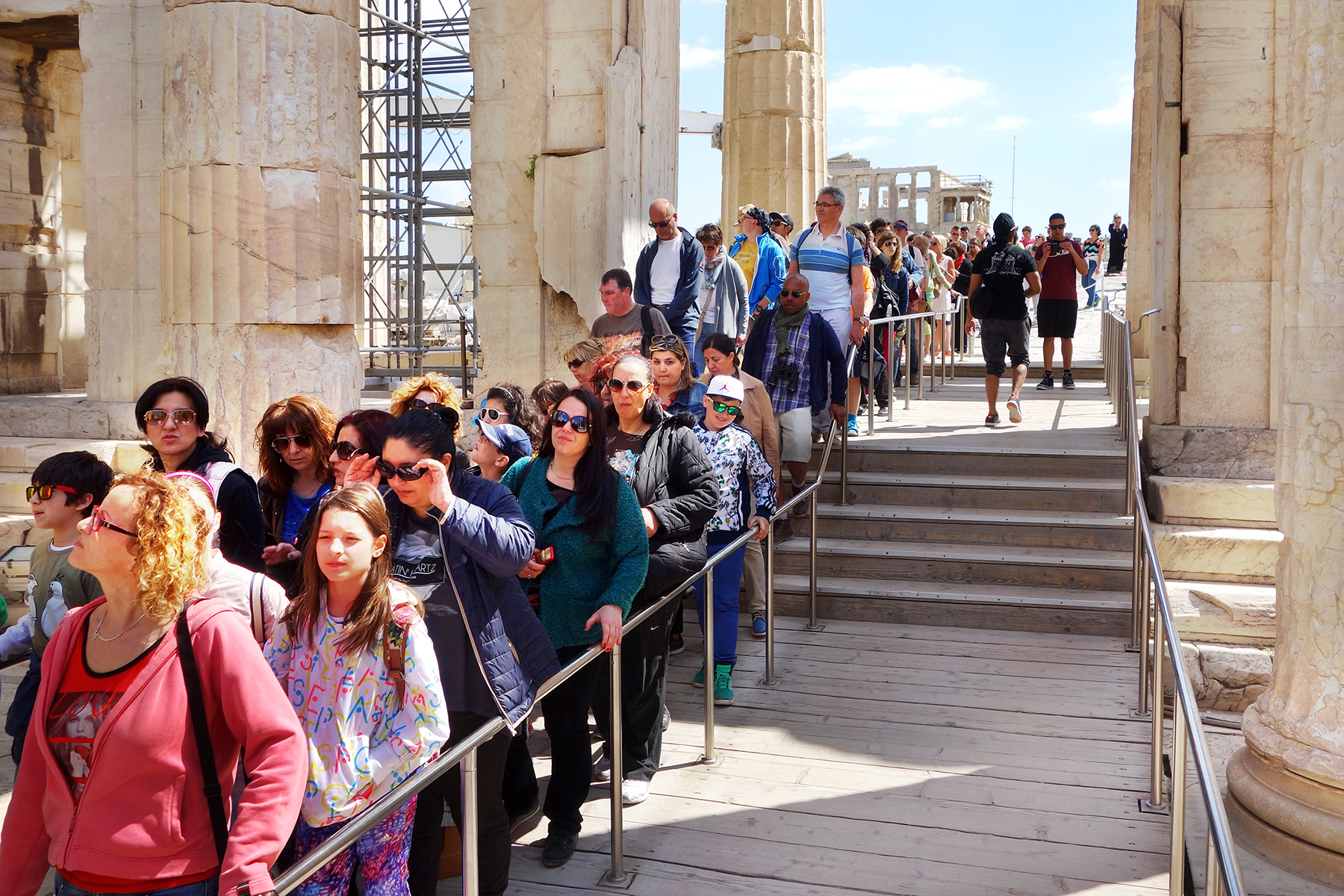
Large groups of 15-30+ travelers
Fixed itineraries focused on famous landmarks
Multiple cities in a short period
Crowded attractions and scripted guides
Perfect for bucket-list sightseeing
You wake up.
You board the bus.
You visit the highlights.
You take photos for Instagram.
You move on.
There's comfort in the structure. Everything is handled. That pace is clear. You see a lot in a short window of time.
For some travelers, that works beautifully.
But efficiency often comes with trade-offs. When the schedule is tight, there's little room for wandering. When the group is large, personalization is limited. When you're moving daily, depth becomes secondary to distance.
You experience the place but mostly from the outside looking in.
So, What Is Cultural Immersion Travel You Ask?
Cultural immersion travel... or intentional travel... or meaningful travel is considered a "deeper journey". It is a completely different philosophy. One that prioritizes meaningful connection over surface-level sightseeing.
It's designed around depth rather than distance. Instead of asking, "How much can we see?" It asks, "How deeply can we experience this place?"
Cultural immersion travel often includes:
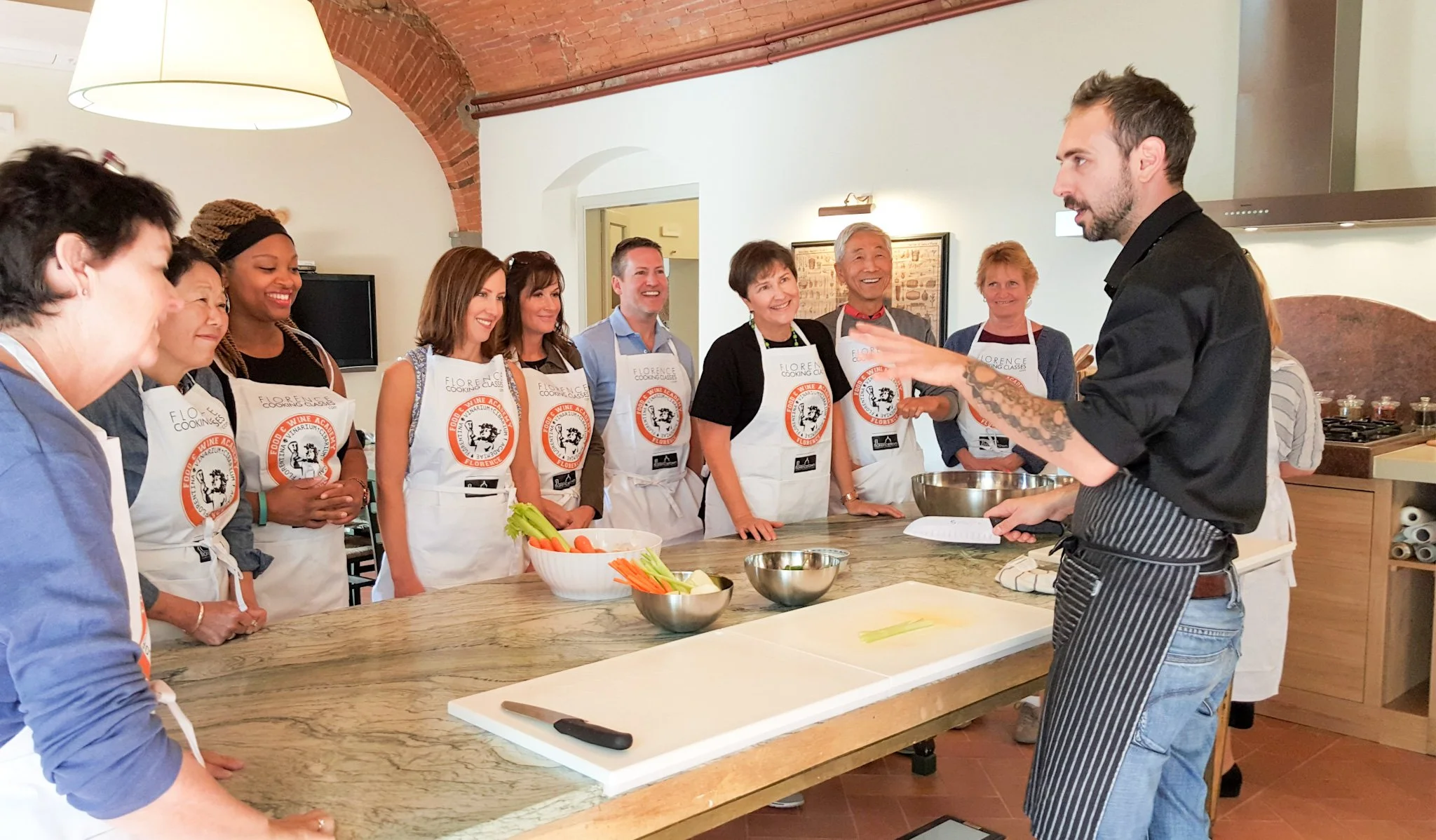
Small, intimate groups or private experiences
Direct engagement with local communities
Shared meals, traditional crafts, and festivals
Learn languages, customs, and authentic stories
White space for exploration and reflection
It's all about understanding rhythm.
Food.
History.
People.
Energy.
You don't just visit a destination. You begin to feel it.
There is time to sit at a café longer than planned. Time to talk with a local artisan.
Time to notice how the morning light hits the buildings.
And that time is what creates transformation.
The Core Differences
Let's simplify it.
Pace
Group Tours: Move quickly between destinations.
Cultural Immersion: Stay longer. Go deeper.
Group Size
Group Tours: Larger groups with shared schedules.
Cultural Immersion: Smaller groups curated intentionally.
Experience Style
Group Tours: Guided sightseeing.
Cultural Immersion: Active participation and cultural interaction.
Emotional Takeaway
Group Tours: "I saw so much."
Cultural Immersion: "I felt connected."
Both are valid. But both feel very different.
Why My Hosted Journeys Feel Different
Here's where everything comes together. My approach isn't about rushing through destinations or checking boxes. It's about creating space for genuine transformation. I'm building around experience.
1. Depth Over Breadth
Every itinerary is carefully crafted to prioritize meaningful experiences over tourist traps. No rushing and no crowds. Just authentic moments that matter.
2. Real Local Connection
Dine where locals eat, learn from skilled artisans, and participate in traditions that most tourists never discover. These aren't staged experiences. Instead, they are real life.
3. Personalized Attention
Small groups mean real conversations, not just photo opportunities. You'll get to know your fellow travelers and have space for questions, stories, and genuine interaction.
4. Adaptive Flexibility
Your interests shape the journey. We can adapt in real time, making each trip unique to what resonates with you because travel should be personal.
When I design hosted journeys, I'm not building around landmarks. I am building around experience.
I intentionally keep my groups smaller & don't overpack itineraries. I choose destinations that reward slower exploration & partner with experiences that connect you to the culture. Not just the camera.
I used to describe my trips primarily as "wellness travel." But I realized something important. Wellness doesn't just happen in spas or yoga studios. It happens when you:
Learn something now about another culture
Share a meal with intention
Step outside your routine
See your own life through a different lens
For me, cultural immersion is wellness. It restores you because it expands you.
My trips aren't about rushing you through a destination. They are about giving you the structure you need without taking away your ability to feel present.
That's the difference.
Fun Fact: The Science of Meaningful Travel
Did you know travelers who immerse themselves culturally report significantly more lasting memories and personal growth than those who just sightsee? Research shows that emotional connection and authentic interaction create neural pathways that help memories stick. It's not just a trip but a transformation that stays with you long after you return home.

Which One is Right for You?
A traditional group tour may be right if you:
Prefer highly structured schedules
Want to visit multiple cities quickly
Feel comfortable in larger groups
Value convenience above depth
Cultural immersion travel may be right if you:
Prefer depth over speed
Value connection and conversation
Want meaningful experiences without planning everything yourself
Care about how a place feels, not just how it looks
There is no wrong answer. Only alignment.
Final Thoughts
The real difference between cultural immersion and group tours isn't logistics. It's intention. One is built around meaning.
If you are at a point in your life where travel feels less like escape and more like expansion, cultural immersion might be what you've been craving without having language for it.
Ready to Experience Travel That Feels Different?
If you've been craving travel experiences that go deeper than the typical tourist trail, you're in the right place. Hosted cultural immersion journeys open doors to authentic experiences, lifelong connections, and the kind of memories that change how you see the world.
The difference between seeing a place and truly experiencing it comes down to one thing: connection. And that's exactly what these journeys are designed to create.
"Travel isn't about collecting passport stamps—it's about collecting moments of genuine human connection that expand your understanding of the world."
If this resonates with you:
Explore my upcoming hosted journey. Join a waitlist. Or book a call to design your own cultural experience.
Travel doesn't have to feel rushed to feel powerful.
Sometimes the most meaningful journeys are the ones that move slower.